Blog

MYTH: Homeless people live in the streets

Myth:  Homeless people live in the streets.
Fact: About 50% percent of homeless Americans lived in shelters in 2019, according to HUD’s survey. Others do sleep outside or in locations not meant for human habitation. (State of Homelessness: 2020 Edition from the National Alliance to End Homelessness). But many “unsheltered” people live in vehicles.
According to the Vehicle Residency Research Program, “People living unsheltered come from all areas of our society, but for many a singular item can be identified as their primary resource and home – their vehicle.  In Seattle, “sleeping overnight in a vehicle” (or vehicle residency) is the largest category of unsheltered people, comprising over 30% consistently since 2001.” Seattle Vehicle Residency Research Program from the Seattle University Institute of Public Service. 

“While many communities across the U.S. struggle to develop brick-and-mortar shelters, vehicle residences are privately owned and occupied throughout American streets now. I believe that cities need to do more to assess the true number of local vehicle residents, to provide them with a place to park and access to vital social services.” from an article by Graham Pruss, research fellow Vehicle Residency Research Program.
MYTH: Family homelessness is episodic and rare

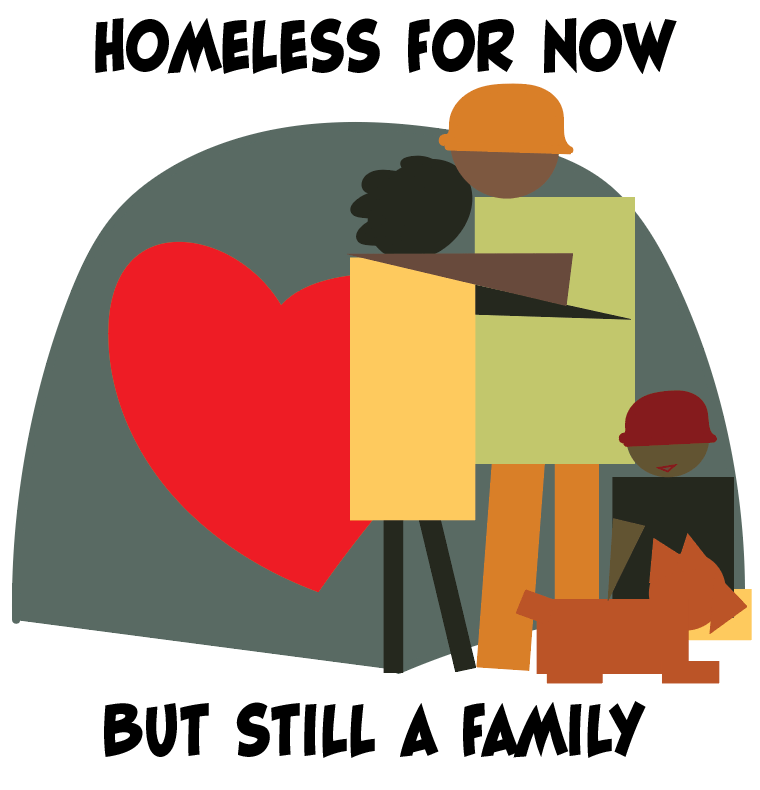
Myth:  Family homelessness is episodic and rare
Fact: More families experience homelessness in the United States than in any other industrialized nation. 

Family homelessness has become a chronic problem, with families accounting for 37% of the overall homeless population and 50% of the sheltered population. 

One in 30 American children experience homelessness annually; 51% are under age five. More than 2.5 million children are homeless each year in the United States. 

MYTH: People choose to be homeless

This mythbuster was submitted by Michael Yoder, Executive Director of Associated Ministries.


Myth: People choose to be homeless.
Fact: This myth is dangerous and allows us to ignore the trauma of homelessness and neurobiological effects trauma has on humans. Being homeless is stressful, humiliating, exhausting, and dangerous. It is a hard day-to-day existence for men, women, and children.

Some people may choose to sleep outside rather than in a shelter because they fear having to leave their pets or possessions outside. They also may not want to leave their community of others living outside. They may also be living with serious mental and physical health conditions with symptoms that make it difficult to have the capacity and ability to make rational decisions. In addition, some shelters and housing programs have strict criteria that potentially “screen out” the most vulnerable people.

When we take the time to engage and listen to someone’s story, we often hear they are not “choosing to be homeless” but rather the other choices available are undesirable, have been tried or misunderstood. For now, their current situation is better than the alternative because they have become accustomed to living unhoused. Homelessness is traumatic and complicated and solutions are not a one-size-fits-all.

MYTH: If you can’t afford housing, you shouldn’t have a pet

“Shouldn’t people experiencing homelessness give up their pets?” “Wouldn’t life be easier for both the person experiencing homelessness and their pets?”

From Pets and Homelessness (September 22, 2020)
Indeed, pets can create additional hardships, including:

  • Inability to Access Shelter
  • Difficulty Accessing Transportation and Other Services
  • Strain on Limited Resources
  • Public and Law Enforcement Criticism

But, pets are also a life-line for many people, especially those with a history of (or ongoing) trauma. Pets can offer:

  • A Consistent Relationship
  • Responsibility and Purpose
  • Social Interaction (pets provide a conduit for interactions with other people)
  • Protection and Safety

Two questions for pet lovers everywhere:

  1. If you suddenly lost your housing, would you give up your pet?
  2. When temperatures are freezing and the only shelter available has a no-pet policy, would you leave your friend outside on their own or stay out there with them?

UNSHELTERED: Myths, Critical Issues & More

We are the SS4A Campaign Media Workgroup, an informal subcommittee of the Steering Committee of the Tacoma Pierce County Coalition to End Homelessness. Our goal with this website is to provide free information about homelessness to support the effort to end homelessness in our county.

Although most people want to end or at least work to reduce the effects of homelessness, most are also confused about many aspects of homelessness, including:

⭐️The leading causes of homelessness

⭐️Who people experiencing homelessness really are and what they need

Homelessness is the problem, not the people experiencing homelessness. We believe we need to change the ways we think and talk about this crisis and those experiencing it. Public perception influences public policy. To make the changes we need to support Pierce County’s 2021 Comprehensive Plan to End Homelessness, we must address the myths, stereotypes and misconceptions which will persist in the absence of truth. We must identify the critical issues facing the unsheltered so we can focus solutions in the right places.

We’re posting the truth about these widely held misconceptions, to combat the interests which have a stake in perpetuating them, we’ll be bringing out the most critical issues faced by people experiencing homelessness so our solutions can clearly address them, and we’ll be providing materials that can be used in a variety of ways in public education.

To join or learn more about the our group, please e-mail Theresa Power-Drutis, tpdrutis@nctacoma.org, or Laurie Davenport at lauriedavenportart@gmail.com.

The images used in these posts are free use images by Laurie Davenport.

MYTH: Homeless People Should Just Get a Job

MYTH: Homeless People Should Just Get A Job

How many times have you heard this stereotype come into conversation about homelessness? Research from the Homelessness Policy Research Institute shows otherwise in finding:

TRUTH:

🛠 People experiencing homelessness are unemployed or underemployed at disproportionately high rates, but many want to work.


🛠 Institutional barriers to employment include inhospitable labor market conditions, discrimination in hiring practices, bureaucratic red tape, and strict shelter policies.

🛠 Evidence-based interventions for individual barriers emphasize recognizing the unique needs and challenges of people experiencing homelessness.

🛠 Policy recommendations for overcoming institutional barriers include “Ban the Box” and “Ban the Address” legislation, employment-based intake questions, and hiring people with lived experience of homelessness at service provider agencies.

To see more from their research: https://socialinnovation.usc.edu/…/Homelessness-and...

To learn more: https://www.geekwire.com/…/homelessness-employment…/#homelessmyths#endhomelessness

Pierce County 2021 Comprehensive Plan to End Homelessness

The Pierce County Council created the Comprehensive Plan to End Homelessness Ad Hoc Committee to facilitate further planning to help end homelessness in Pierce County through Resolution 2021-30s. Two groups were formed from this committee – the Steering Committee to End Homelessness and the Shelter Work group.

The Steering Committee to End Homelessness is made up of members of the community who are developing a comprehensive plan for consideration by the County Council in November 2021. The plan will outline steps, participants, timelines, process and resource needs to end homelessness in Pierce County.

The Shelter Work Group is comprised of homeless service providers, advocates, and city representatives from across the community. The ambitious goal set for the work group is to build and implement a plan to end street homelessness by November 1, 2021. This shelter plan will comprise one part of the comprehensive plan created by the steering committee.

We are actively gathering feedback from the community. For more information about homelessness in Pierce County and to provide feedback by taking a short survey, please click here:

https://www.piercecountywa.gov/7405/Survey-2021-Comprehensive-Plan-to-End-Ho

Safe Parking

The Safe Parking Network is a new program in Pierce County supporting families and individuals experiencing homelessness while living in their vehicle. Sites will be identified, set up and managed through local partnerships and collaboration with faith-based organizations, non-profits and government programs. Guests will be provided a safe place to sleep and stabilize while also quickly getting connected to needs services and assistance. The ultimate goal of the SPN is to connect families and individuals to permanent housing and get them out of their vehicles.

Click here to go to the Safe Parking page on the website of the Tacoma Pierce County Coalition to End Homelessness:

https://www.pchomeless.org/Home/SafeParking3